Burnley-headquartered aerospace technology specialist Velocity Composites plc has welcomed the announcement of a £2.5 billion programme between Rolls-Royce and the UK Government to develop next-generation jet engine technology, describing the agreement as a significant opportunity for British aerospace manufacturers and their supply chains.
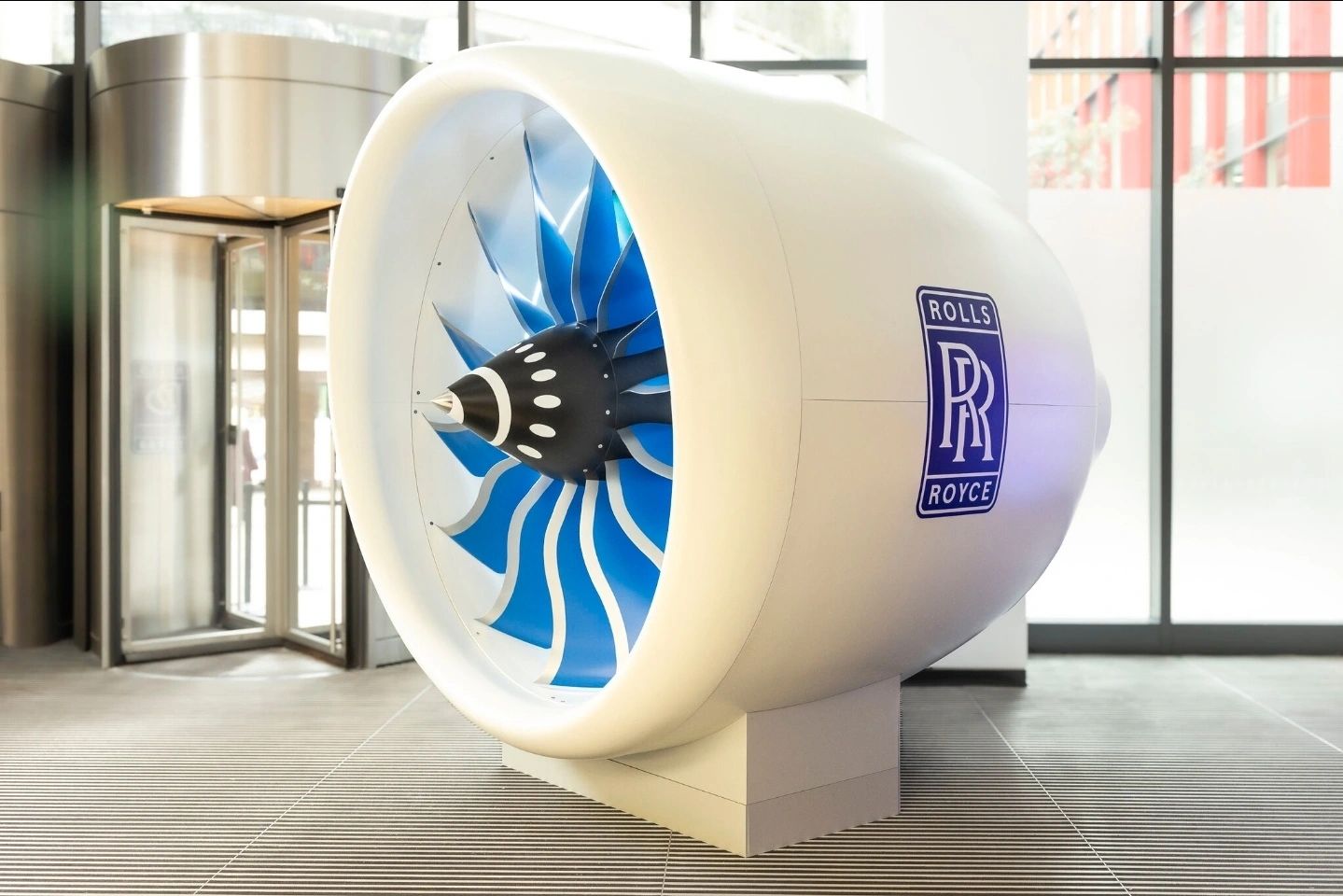
Announced as part of the Autumn Budget, the proposed 10-year research and technology programme will support the development of more efficient aircraft engines, with a particular focus on the next generation of single-aisle commercial aircraft.
The programme is expected to support thousands of skilled UK jobs and could provide substantial long-term economic benefits if Rolls-Royce secures a position on future aircraft platforms.
For Velocity Composites, which specialises in the engineering, manufacture and supply of advanced composite material kits for aerospace manufacturers, the announcement represents a welcome commitment to British aerospace production.
James Eastbury, Chief Customer Officer at Velocity Composites plc, said:
“This is tremendous news for the UK aerospace industry and for the thousands of businesses and skilled people who contribute to its success.”
“Rolls-Royce is one of Britain’s great engineering success stories, and the scale of this proposed investment demonstrates the confidence in our country’s ability to develop and manufacture some of the world’s most advanced aerospace technology.”
“For companies operating throughout the aerospace supply chain, long-term programmes of this nature create opportunities to invest in technology, develop our people and build the manufacturing capabilities that will support the next generation of aircraft.”
The Rolls-Royce programme will focus on several areas of advanced manufacturing, including new materials, robotics, artificial intelligence and improved production technologies.
The company has also identified advanced composite fan blades among the high-technology components that could be manufactured in Britain should its proposed engine technology be selected by aircraft manufacturers.
The development reflects the growing importance of advanced composite materials in aerospace manufacturing, where weight reduction, material performance and production efficiency are central to aircraft design.
Velocity Composites has developed specialist capabilities in structural composite material kits, supporting the manufacture of high-performance aerospace components including fuselage sections, wings, engine nacelles and empennage structures.
Through its proprietary manufacturing technology, including Hypernest™ material nesting software and its VRP™ digital management system, Velocity helps aerospace manufacturers optimise material utilisation, improve traceability and reduce waste throughout the production process.
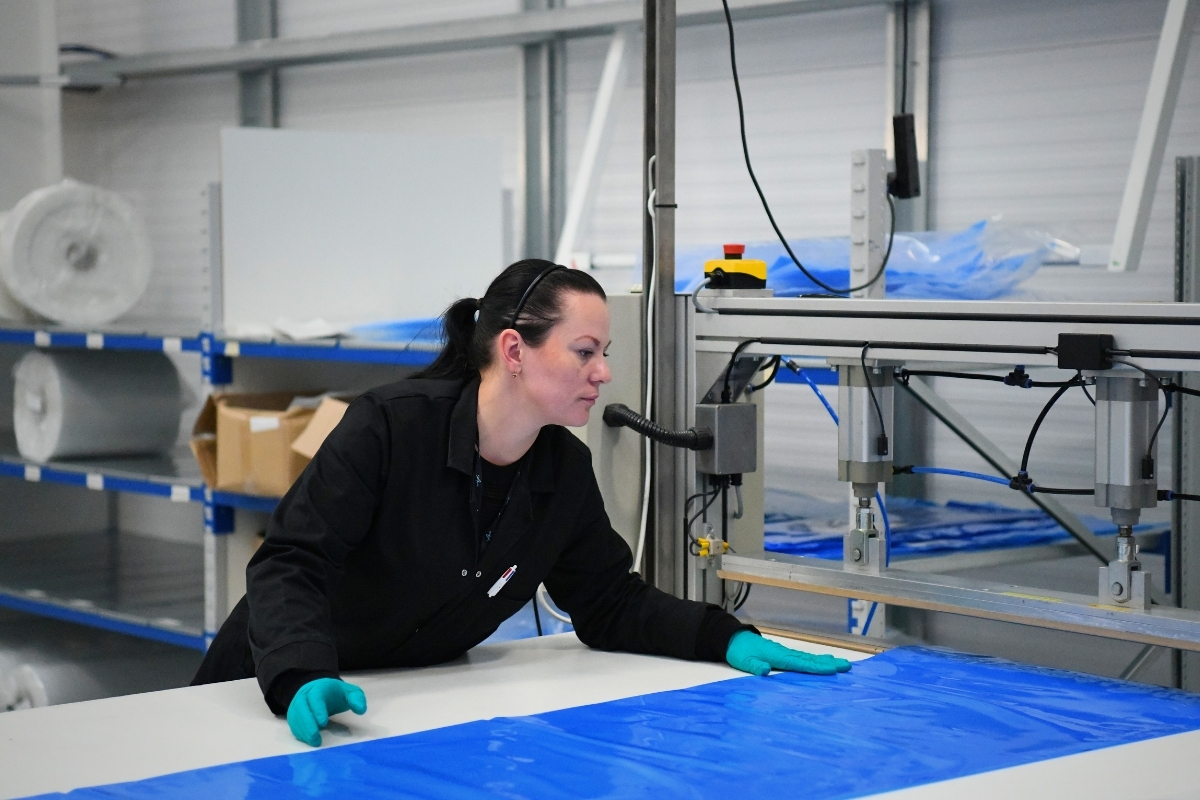
Its capabilities also extend to engineered vacuum bag material kits, precision cutting, advanced material processing and digitally managed production systems.
Eastbury continued: “Advanced composites have an increasingly important role in aerospace manufacturing, particularly as aircraft and engine manufacturers pursue improvements in efficiency and performance.”
“As production technologies become more sophisticated, the way materials are managed, processed and delivered to the manufacturing line becomes increasingly important.”
“At Velocity Composites, our focus is on helping aerospace manufacturers make the most effective use of these valuable materials. Through our engineering expertise, digital technology and precision kitting capabilities, we are supporting the improvements in productivity and material efficiency that the industry needs as production rates increase.”
Velocity’s integrated aerospace supply chain capabilities combine engineering, procurement, raw material management, manufacturing and logistics to support customers operating complex aircraft production programmes.
The company’s digital manufacturing processes provide real-time visibility of material inventory, batch traceability and production requirements, helping customers manage valuable composite materials throughout their manufacturing lifecycle.
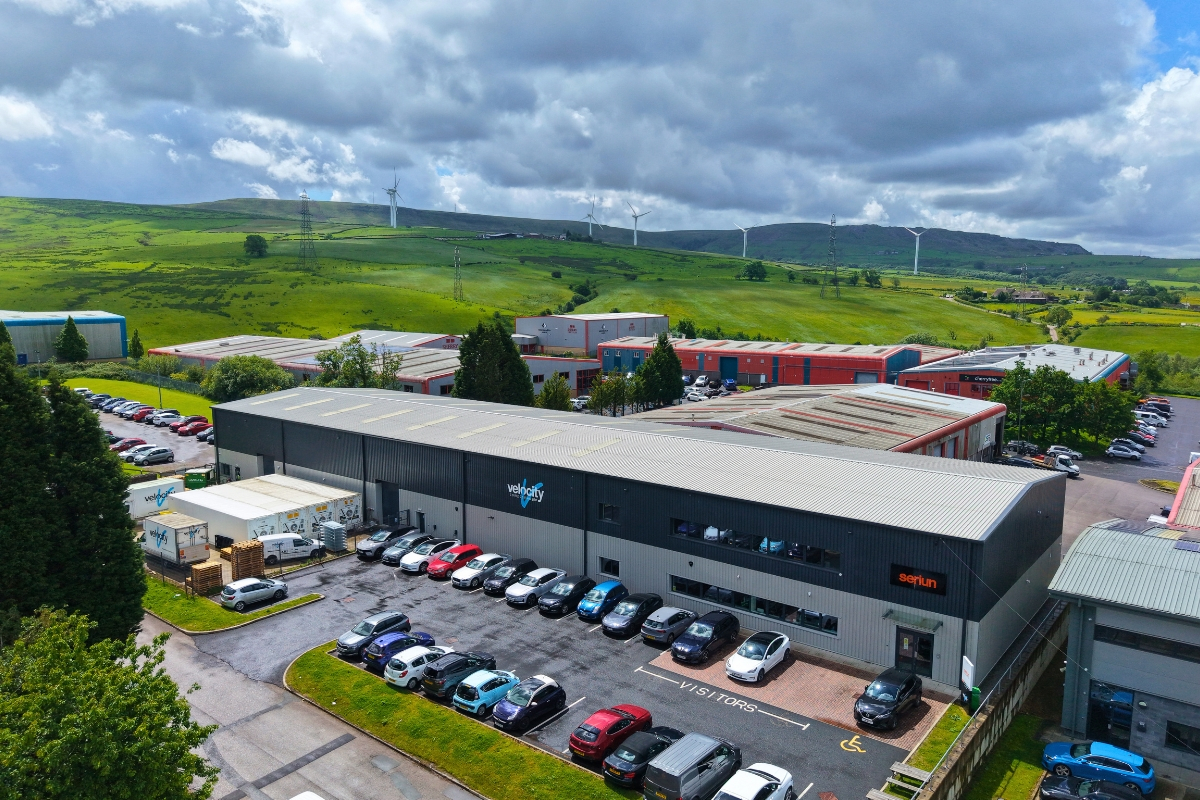
Investment in advanced manufacturing facilities in Burnley, Lancashire, and Tallassee, Alabama, has also strengthened Velocity’s ability to support aerospace customers internationally.
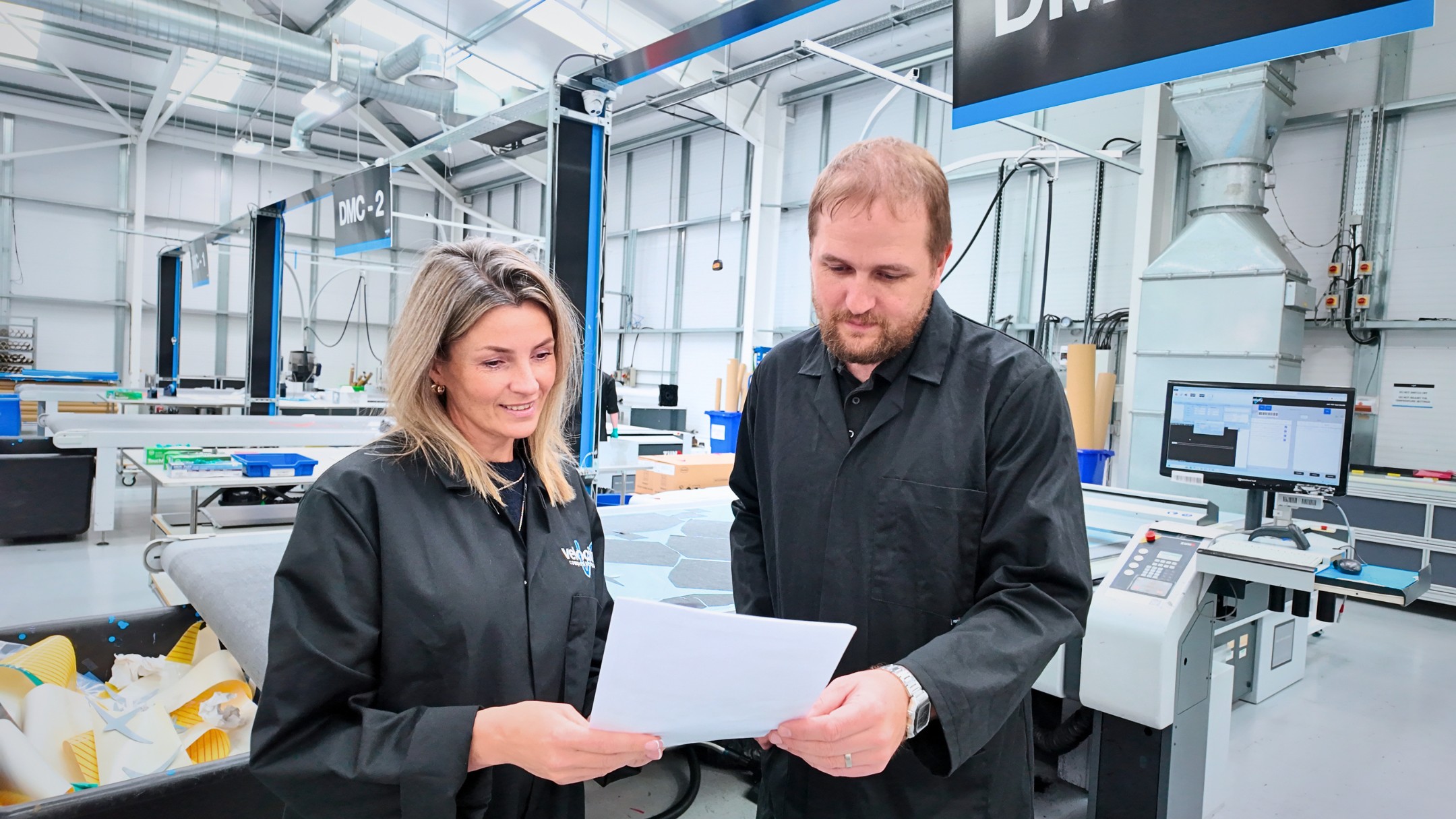
Its manufacturing operations incorporate automated cutting systems, digitally controlled production cells and specialist cleanroom environments, alongside established aerospace quality standards including AS9100, AS9120 and Nadcap accreditation.
These capabilities are particularly relevant as aircraft manufacturers and their suppliers prepare for higher production rates and increasingly sophisticated material requirements.
The proposed investment also places considerable emphasis on developing British suppliers, with the Government and Rolls-Royce seeking to maximise the economic benefits across the country’s established aerospace manufacturing regions.
For Lancashire-based Velocity Composites, the announcement reinforces the significance of the North West’s aerospace manufacturing sector and its contribution to international aircraft programmes.
Eastbury added:
“The UK has an exceptional aerospace supply chain, with highly skilled manufacturers operating across Lancashire, the North West, the Midlands and throughout the country.”
“These businesses have spent decades developing the engineering knowledge, quality standards and specialist manufacturing capabilities required by the world’s leading aerospace companies.”
“The prospect of another major long-term aerospace programme being developed here in Britain is extremely encouraging. It gives the wider industry a clear opportunity to strengthen its capabilities and prepare for future demand.
“We welcome the ambition shown by Rolls-Royce and the Government, and we look forward to seeing the opportunities this programme creates for British aerospace manufacturing.”
The programme remains subject to final agreement and the necessary approvals, with Rolls-Royce seeking to secure a position on future single-aisle aircraft platforms expected to enter commercial service in the 2030s.
To learn more about how Velocity Composites supports aerospace manufacturers through composite material kitting, digital manufacturing, material waste reduction and integrated supply chain management, explore the company’s key capabilities or contact Velocity Composites.
Photo source: Rolls-Royce