Record demand for commercial aircraft is placing renewed emphasis on manufacturing efficiency across the global aerospace supply chain, with specialist composite manufacturing technology set to play an important role in supporting higher production rates.
According to figures published by aerospace trade association ADS, global commercial aircraft orders increased by 88% year-on-year during the third quarter of 2026, taking the outstanding order backlog to a record 17,058 aircraft, representing more than 12 years of production at current rates.
For Velocity Composites plc, the AIM-listed aerospace technology specialist, the scale of future aircraft demand presents a significant opportunity to help manufacturers increase productivity, improve material utilisation and release additional manufacturing capacity. Advanced composite materials account for a substantial proportion of the structural weight of modern commercial aircraft, including the Airbus A350 and Boeing 787, with their use expected to increase across future aircraft programmes.
James Eastbury, Chief Customer Officer at Velocity Composites, believes that greater efficiency in the preparation and management of these materials will be central to supporting the industry’s growth ambitions.
“The strength of the global aircraft order book gives the aerospace supply chain considerable visibility of future demand. The priority for manufacturers is translating that demand into sustained increases in production,” said James. “There is a tremendous opportunity to achieve greater output from existing manufacturing facilities through improvements in material utilisation, production processes and the deployment of specialist technology.”
Increasing aerospace production capacity through composite material kitting
Velocity Composites works with some of the world’s leading aerospace manufacturers, supplying precision-cut structural composite material kits for the manufacture of high-performance aircraft components, including fuselage sections, wings, engine nacelles and empennage structures.
The company’s proprietary composite manufacturing technology, including its Hypernest™ material nesting software and VRP™ digital management system, enables manufacturers to maximise material utilisation, improve traceability and reduce waste.
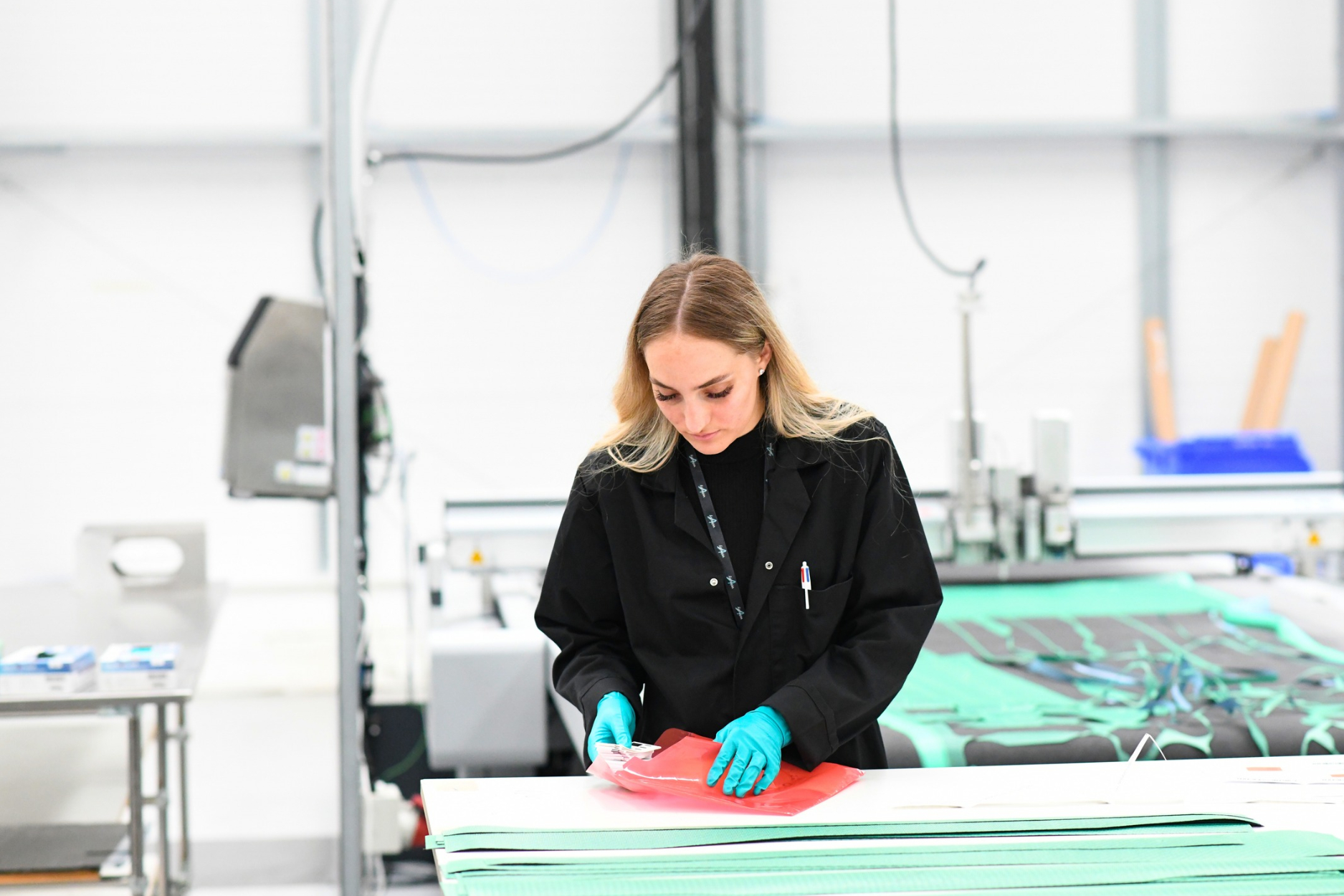
Through advanced digital nesting, automated precision cutting and material life management, Velocity optimises the use of high-value carbon fibre and other advanced composite materials. Its engineered vacuum bag material kits complement its structural material offering, encompassing complex 3D vacuum bag assemblies, reusable debulk systems, laser-cut peel ply and other specialist process consumables used in composite component manufacture.
The delivery of production-ready composite material kits reduces material preparation times within aerospace manufacturing cleanrooms, allowing skilled production teams to concentrate on component manufacture and make more productive use of specialist facilities.
“Composite materials represent a considerable investment for aircraft manufacturers, both in terms of their purchase cost and the resources required to prepare them for production,” James continued. “Through our technology and engineering expertise, we can help customers recover valuable production hours, improve material yields and manage their inventories more efficiently. The commercial benefits become increasingly significant as production volumes rise.”
Building scalable and resilient aerospace supply chains
With aircraft manufacturers investing heavily in production capacity, effective raw material management will become increasingly important in maintaining the flow of advanced materials into aircraft production. Velocity’s aerospace engineering and supply chain management capabilities encompass raw material procurement, demand forecasting, inventory management, product development and scheduled kit deliveries aligned with customers’ manufacturing requirements.
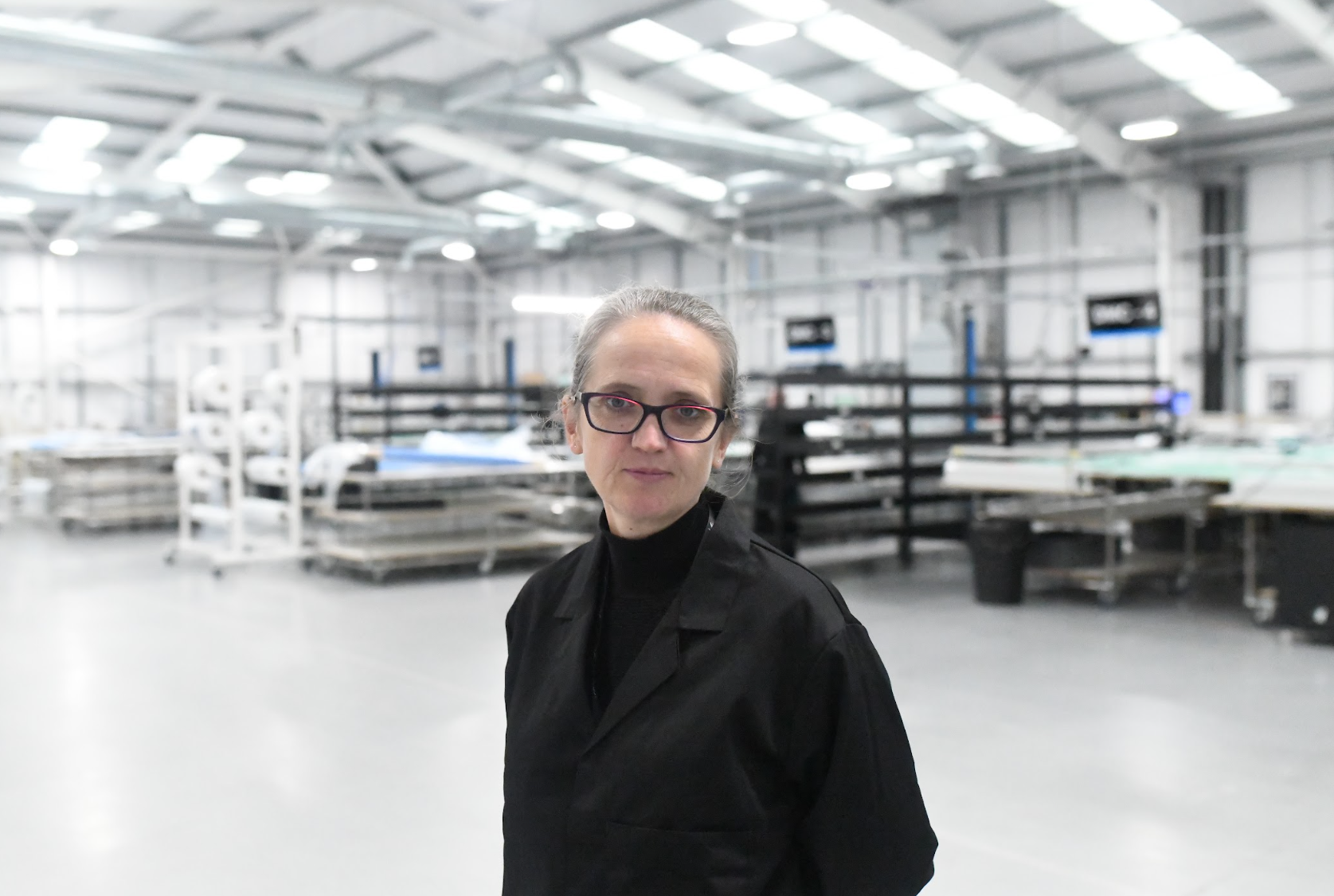
These services are supported by the company’s advanced composite manufacturing facilities, incorporating controlled cleanroom environments, digital manufacturing cells, automated cutting equipment and specialist temperature-controlled material storage. The integration of these manufacturing and supply chain capabilities enables Velocity to support customers in managing complex material requirements, improving working capital efficiency and establishing scalable composite manufacturing processes.
The growing use of advanced composites in aircraft design, combined with the industry’s record order backlog, provides a strong commercial platform for specialist businesses capable of delivering repeatable manufacturing efficiencies at scale.
“Aircraft programmes have exceptionally long production lifecycles, which means the manufacturing efficiencies introduced today can deliver value for many years. Our focus is on helping customers build the capacity, productivity and supply chain resilience required to support that growth, while making the best possible use of valuable composite materials” concludes Eastbury.
Discover how Velocity Composites is helping aerospace manufacturers reduce operational costs, improve composite material utilisation and increase manufacturing productivity through its specialist material kitting services and proprietary technology.