As global aerospace manufacturers prepare for the next production upswing, composite materials are no longer viewed as a specialist solution — they are becoming central to the way modern aircraft are designed, built, and operated.
For Velocity Composites plc, the shift represents both a significant growth opportunity and a critical responsibility within the supply chain.
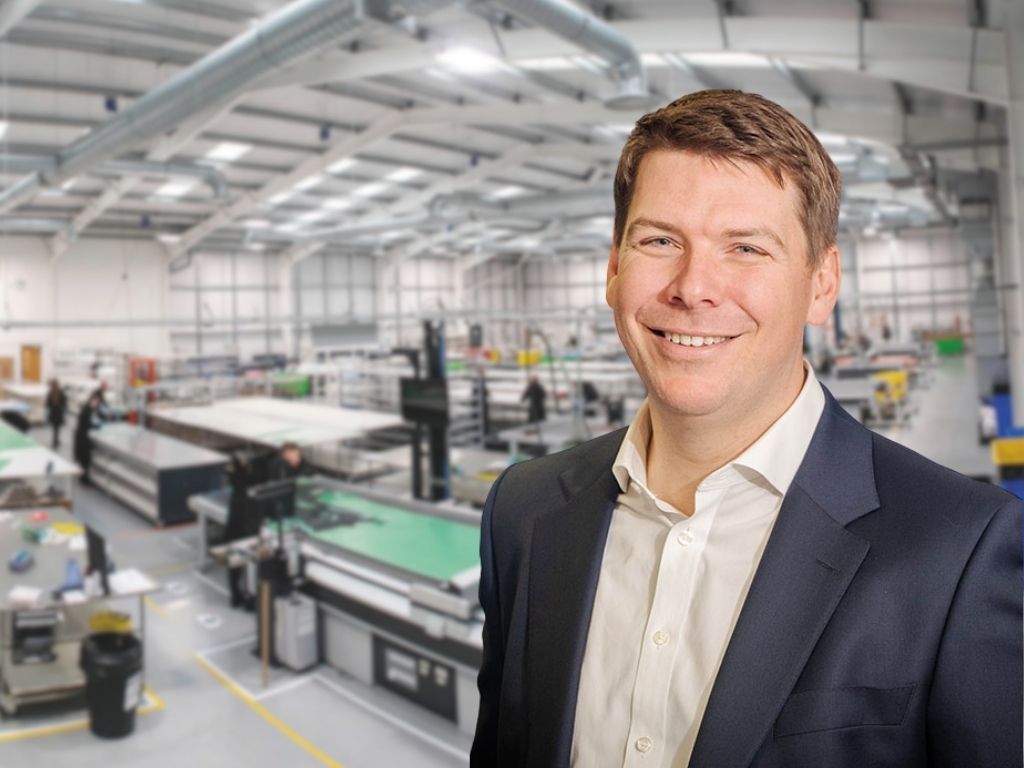
“Composites are now central to how our customers think about aircraft design, production, and lifecycle performance,” says James Eastbury, Chief Customer Officer at Velocity Composites. “That changes the conversation. We’re talking about enabling growth for our customers as aircraft orders ramp up.”
Operating at the interface between Velocity and major aerospace OEMs and Tier 1 suppliers, Eastbury is focused on ensuring customers can scale composite production without introducing additional risk, cost, or inefficiency.
While long-term demand across commercial and defence aerospace remains strong, the path to higher production rates is far from straightforward. Labour shortages, certification bottlenecks, and ongoing supply chain fragility continue to limit the pace at which manufacturers can ramp up output.
In this environment, the availability — and efficient use — of composite materials has become a defining factor in production performance.
“Our customers don’t want to hold excess stock, but they also can’t afford shortages,” Eastbury explains. “Our job is to sit in that space and make it work — balancing forecast uncertainty with absolute delivery reliability.”
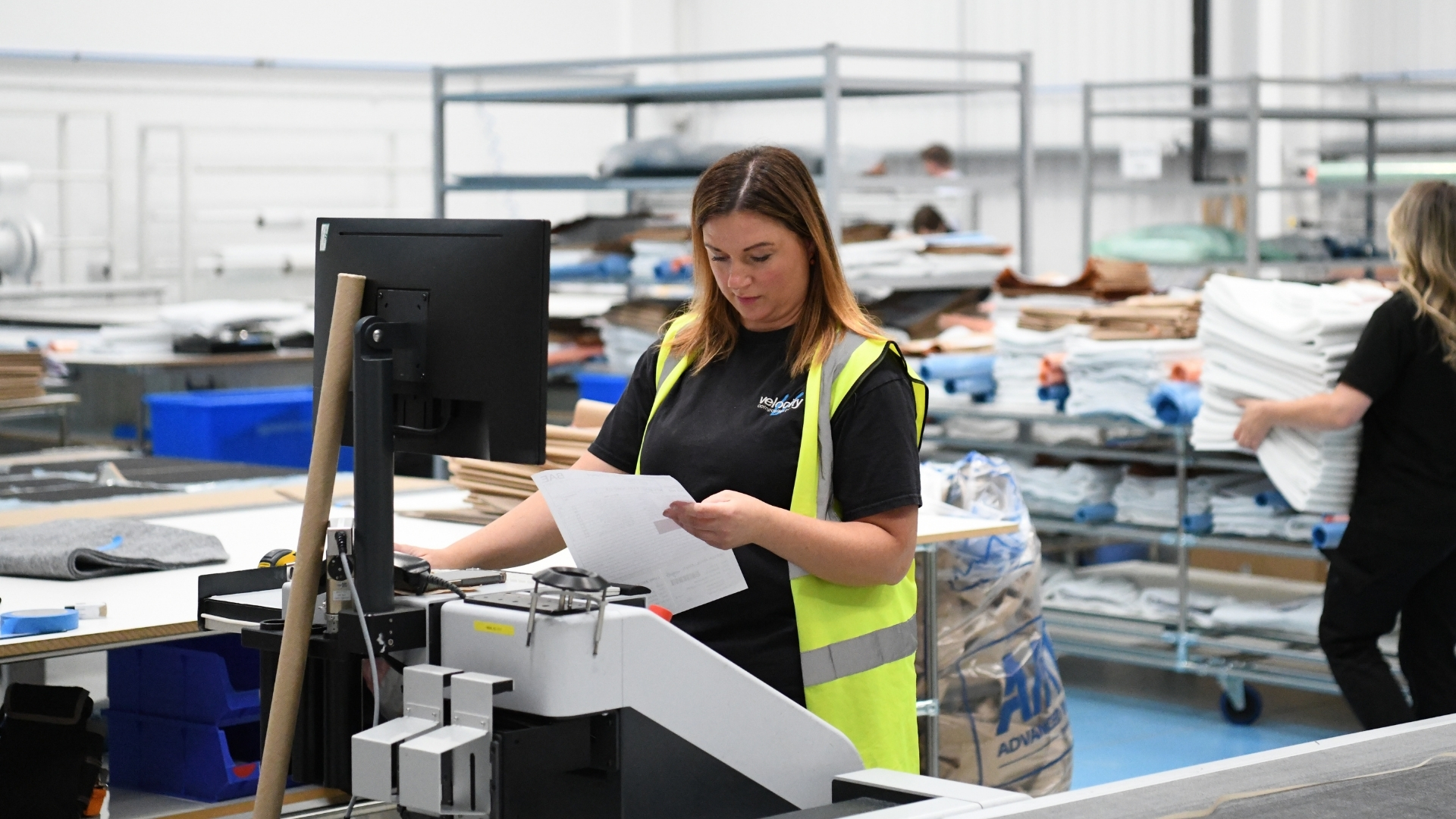
Velocity’s response lies in its engineered material kit model, which removes labour-intensive and variable processes such as raw material handling, cutting, and preparation from the customer’s shop floor. By delivering ready-to-use kits, the company helps reduce dependency on skilled labour while improving consistency and throughput.
As composite content continues to increase across new and existing aircraft programmes, the challenge is no longer just about adopting advanced materials — it is about making them scalable.
Velocity’s approach is increasingly focused on supporting the industrialisation of composite manufacturing, helping customers transition from complex, labour-heavy processes to repeatable, production-ready systems.
“Every minute we save on the shop floor, every kilogram of material we prevent from becoming waste — that compounds over thousands of shipsets,” says Eastbury. “That’s how composites move from advanced technology to repeatable, scalable manufacturing.”
This focus aligns with wider industry pressures to reduce cost, improve efficiency, and meet sustainability targets, particularly as aircraft manufacturers look to increase build rates while maintaining tight control over margins.
Rather than positioning itself as a transactional supplier, Velocity is continuing to build its strategy around long-term customer partnerships — embedding its processes and expertise into the front end of composite manufacturing operations.
As aerospace prepares for sustained growth, this model is becoming increasingly relevant. By helping customers manage complexity today while preparing for higher production volumes in the future, Velocity is positioning itself as a key enabler within the evolving composite supply chain.
“The conversation is no longer just about supply,” Eastbury adds. “It’s about how we help our customers grow — sustainably, efficiently, and with confidence in their production systems.”
With composite materials now firmly at the centre of aerospace strategy, companies that can combine technical capability with supply chain reliability are likely to play an increasingly influential role in shaping the industry’s next chapter.